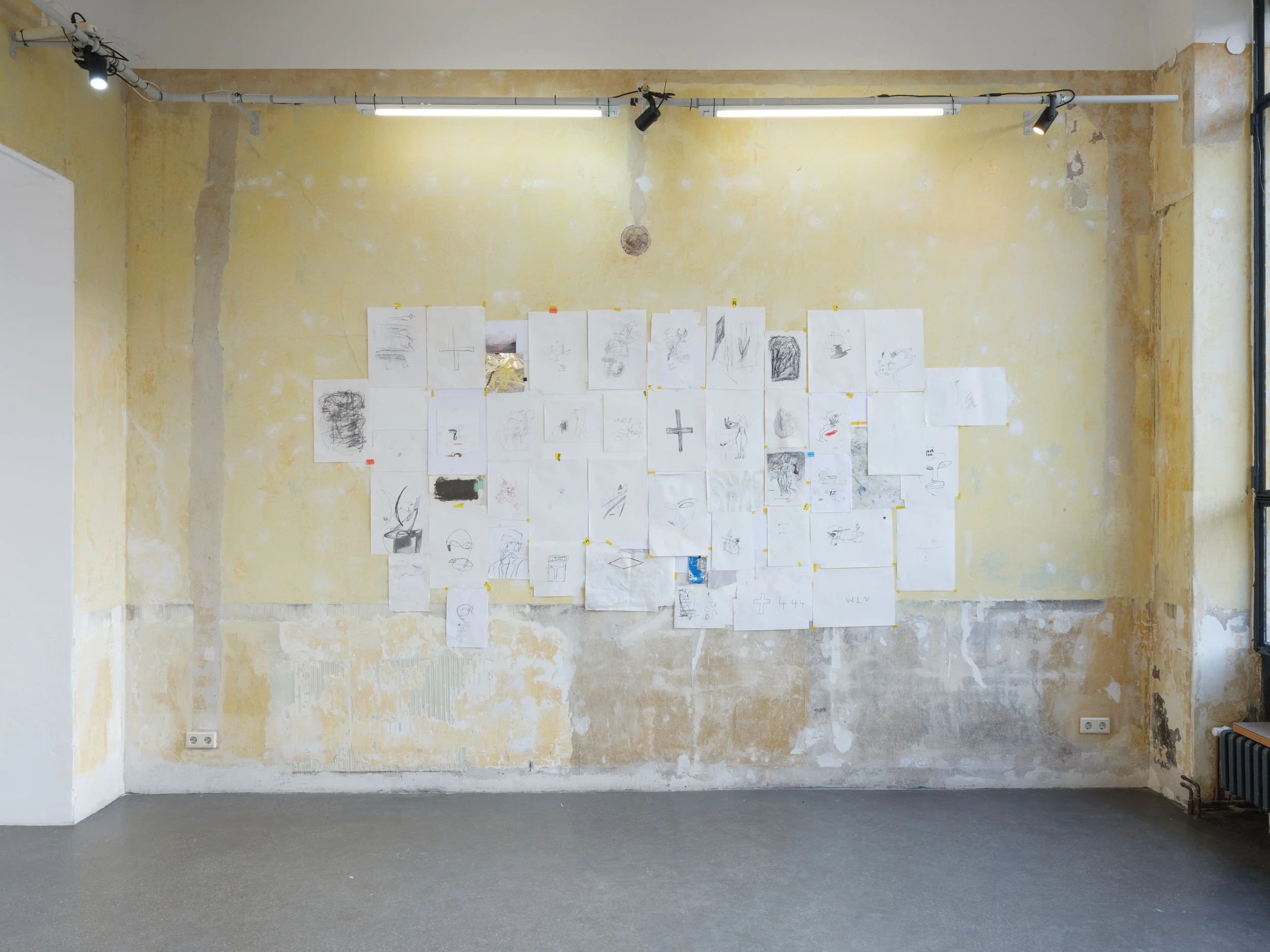
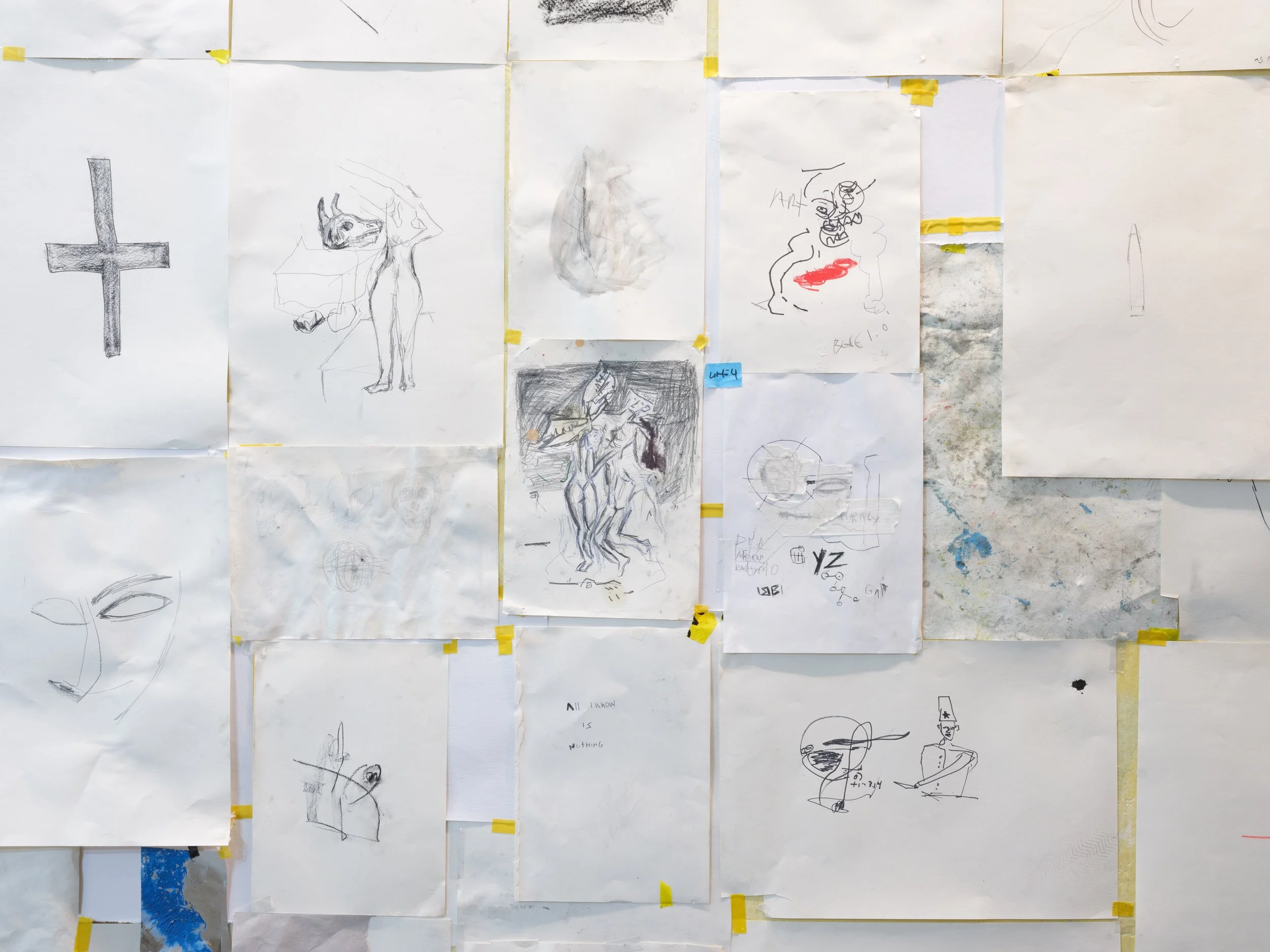
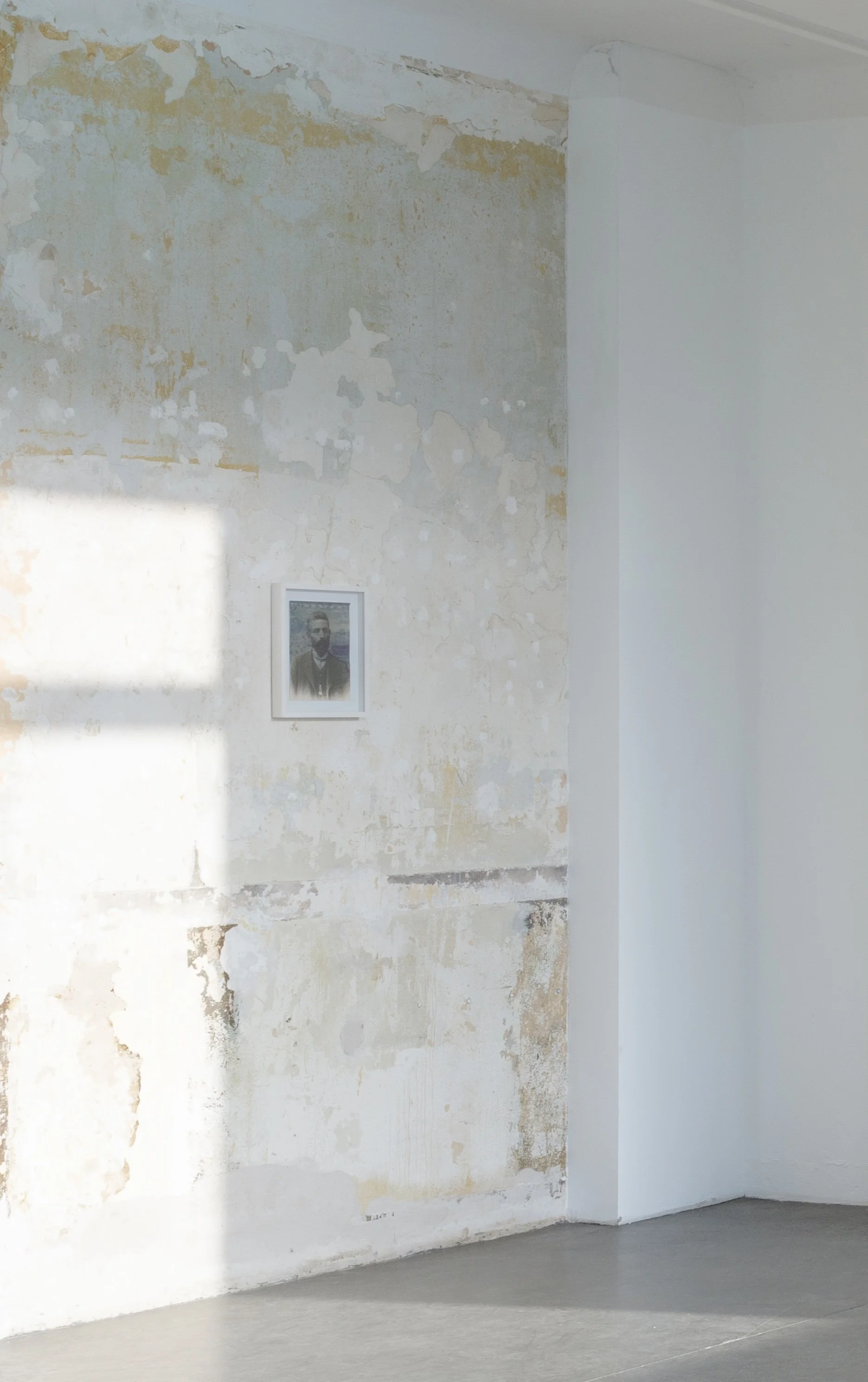
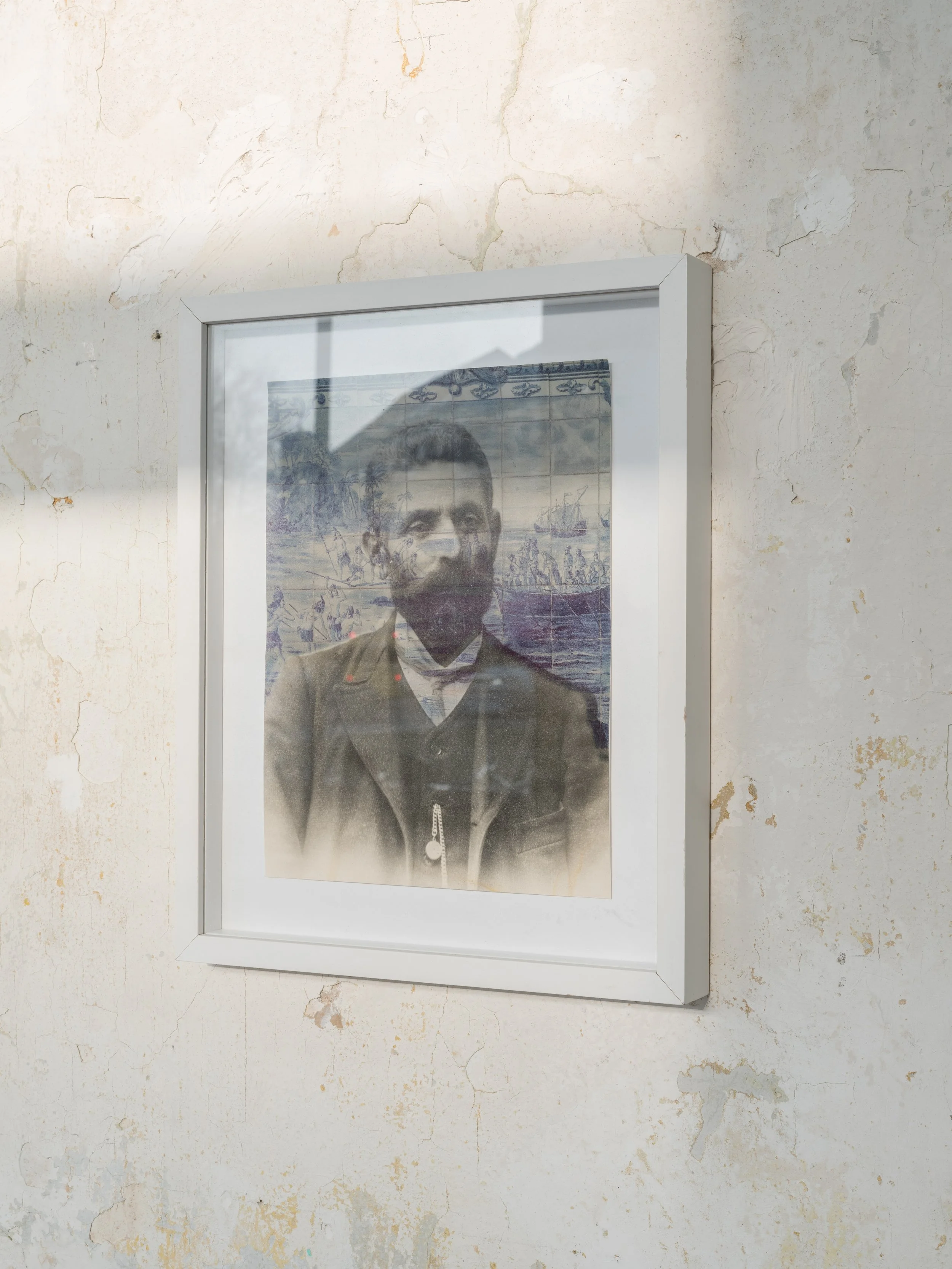
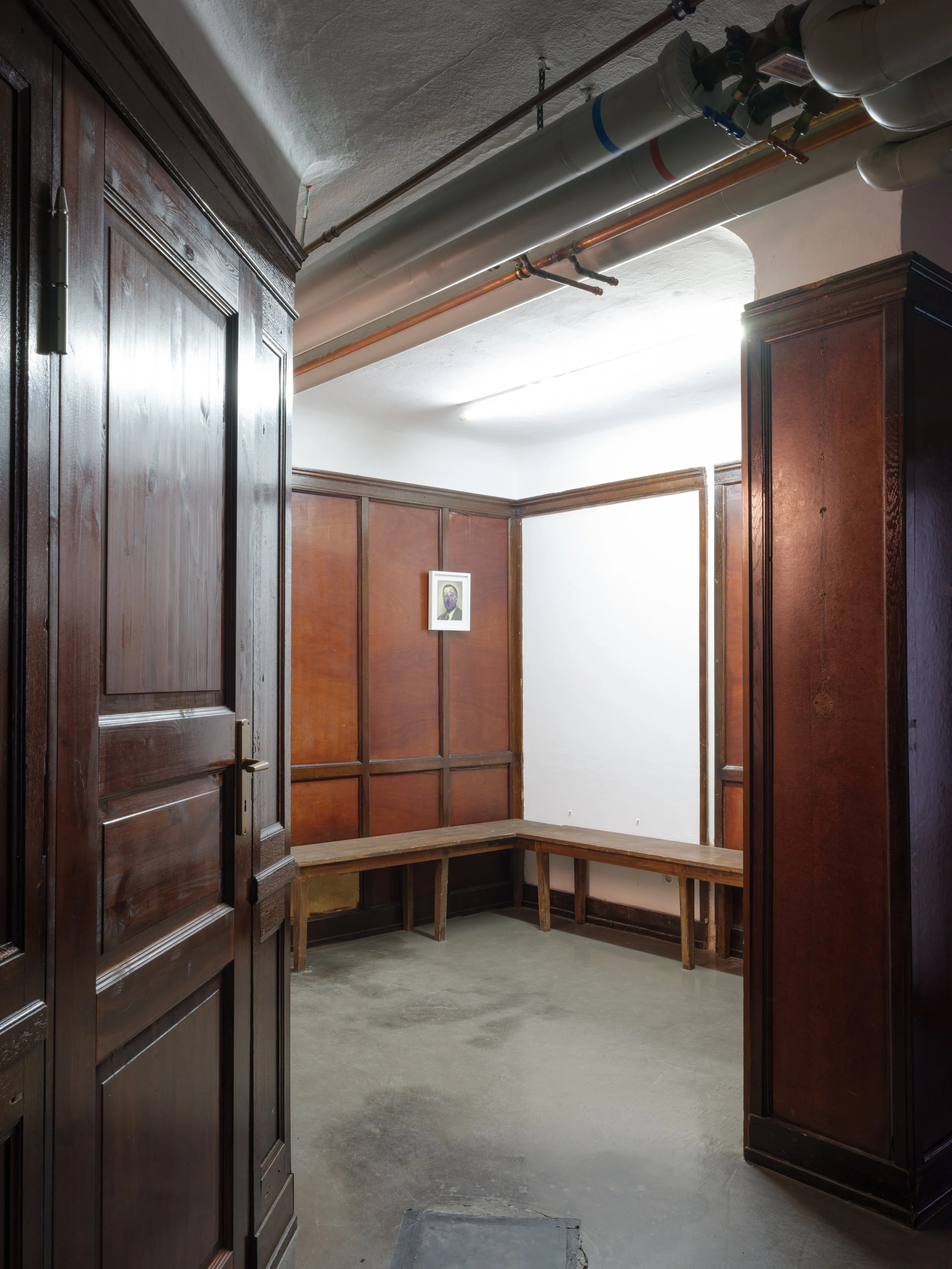
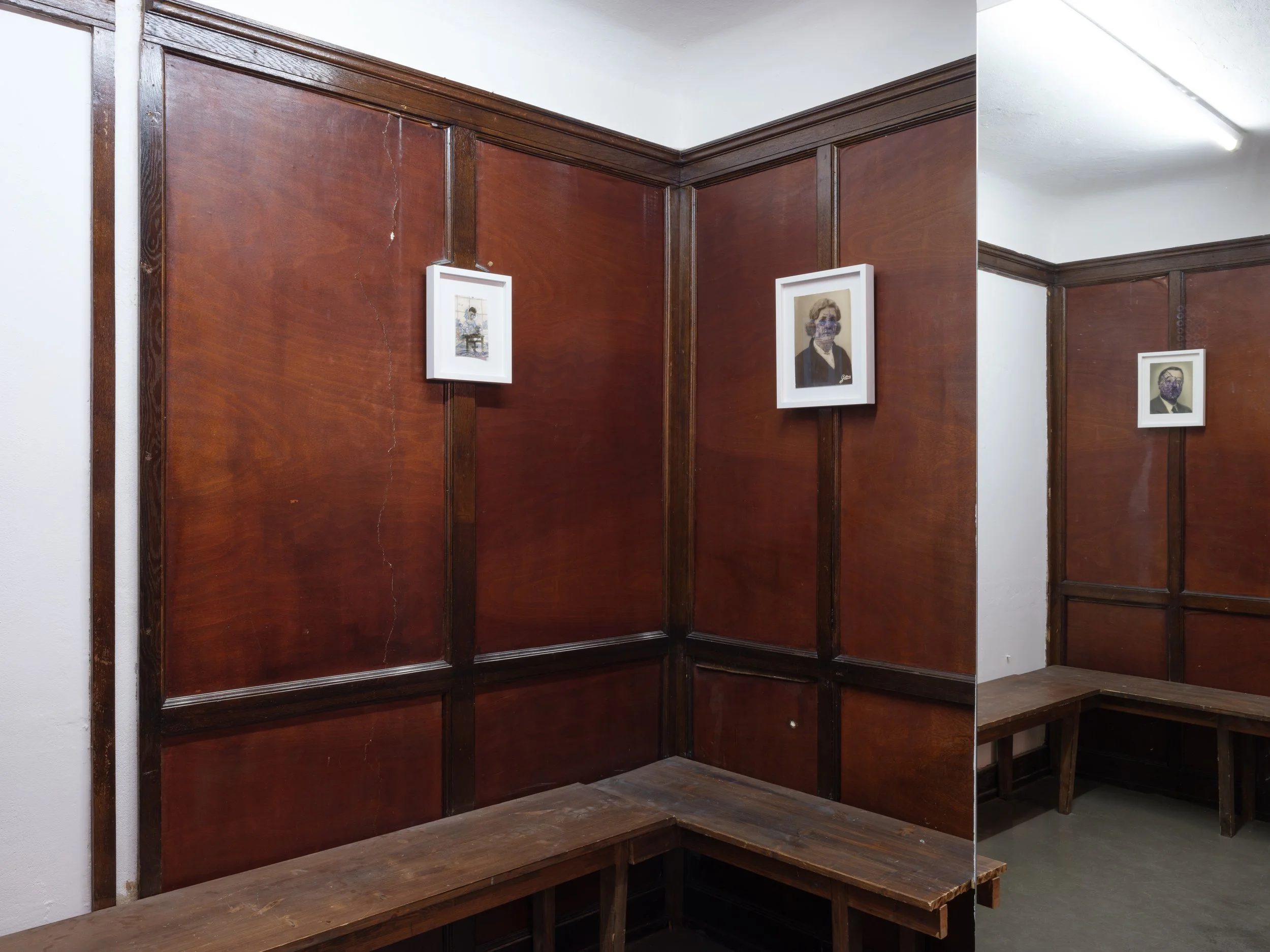
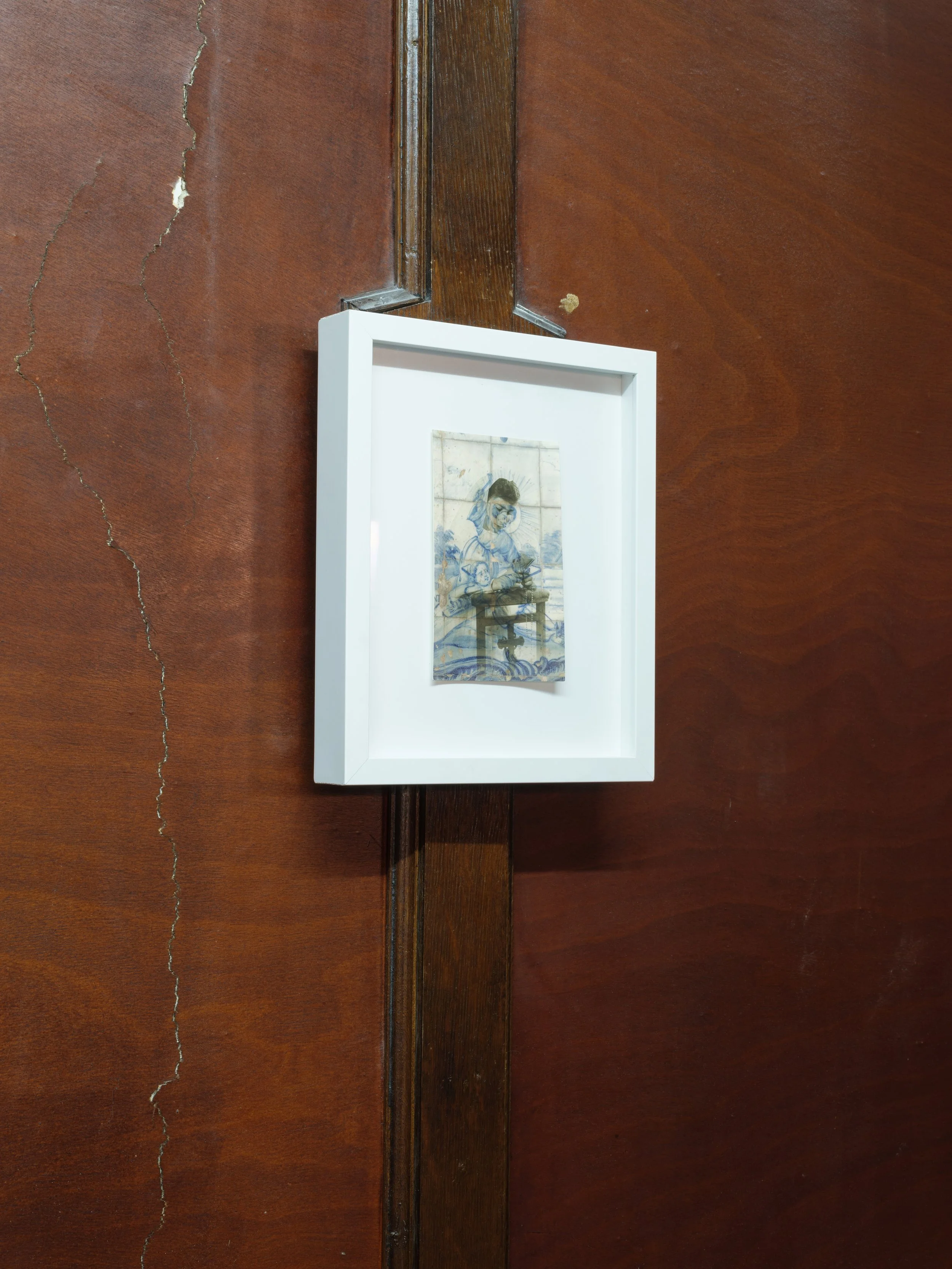
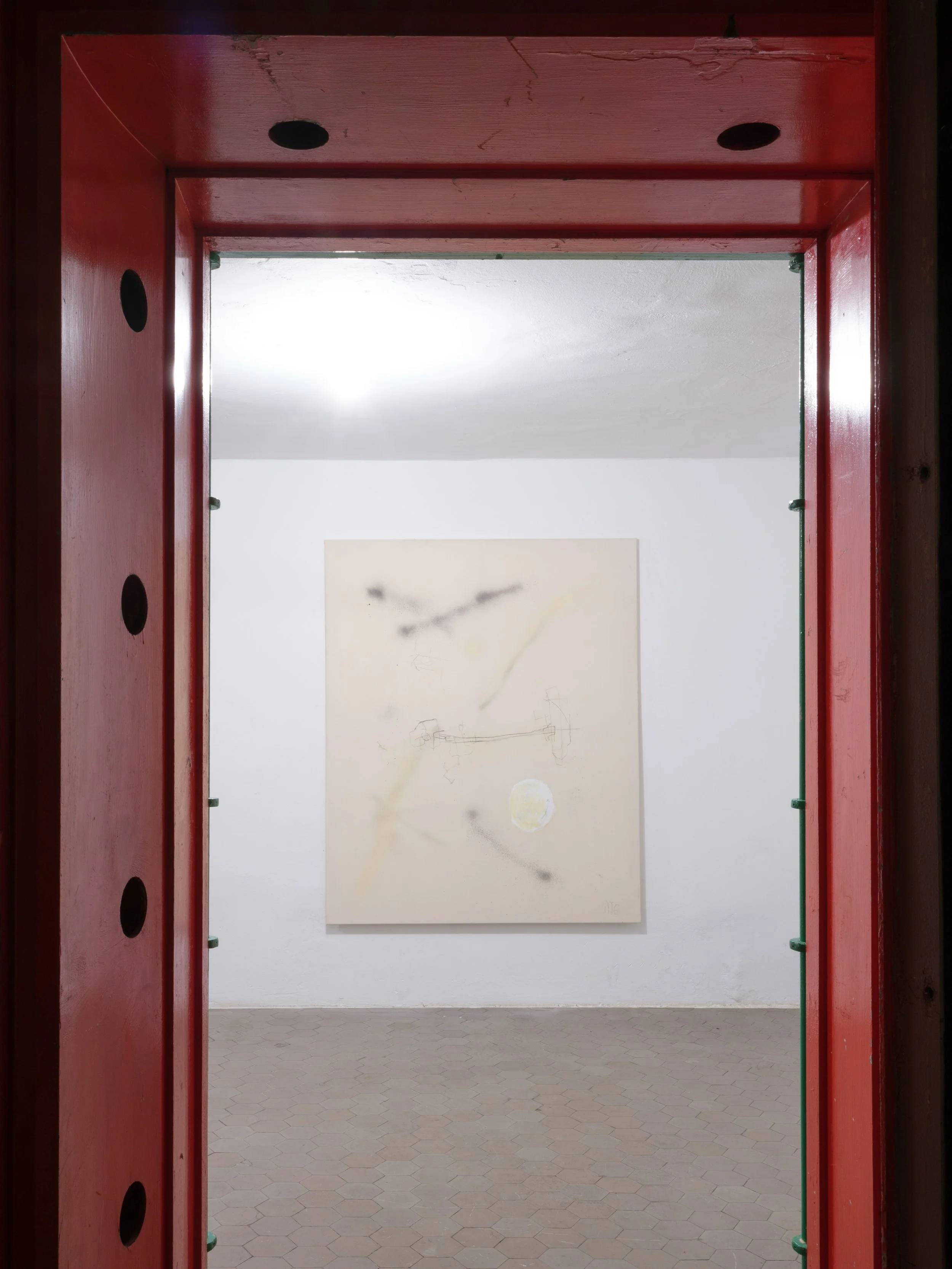
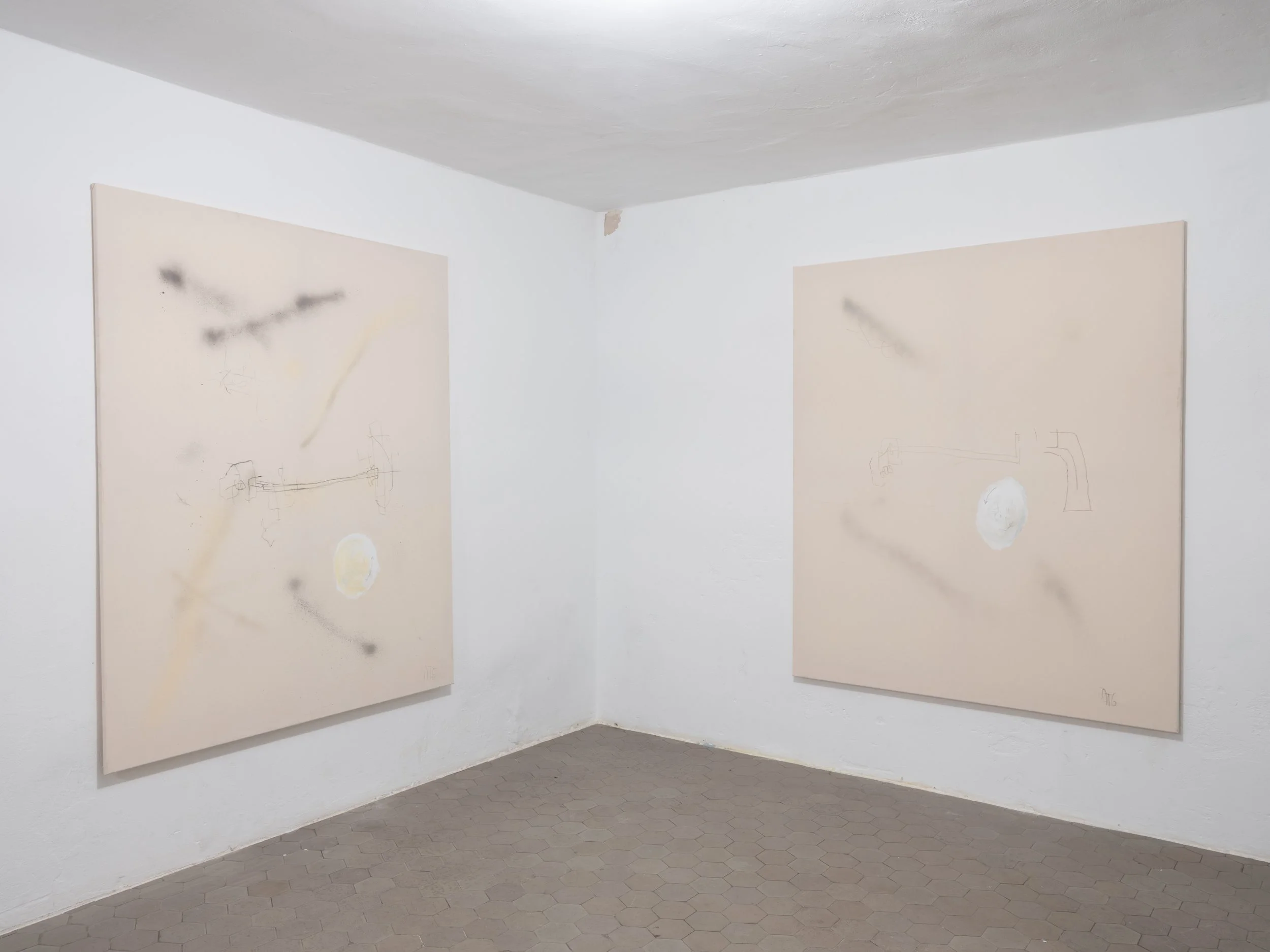
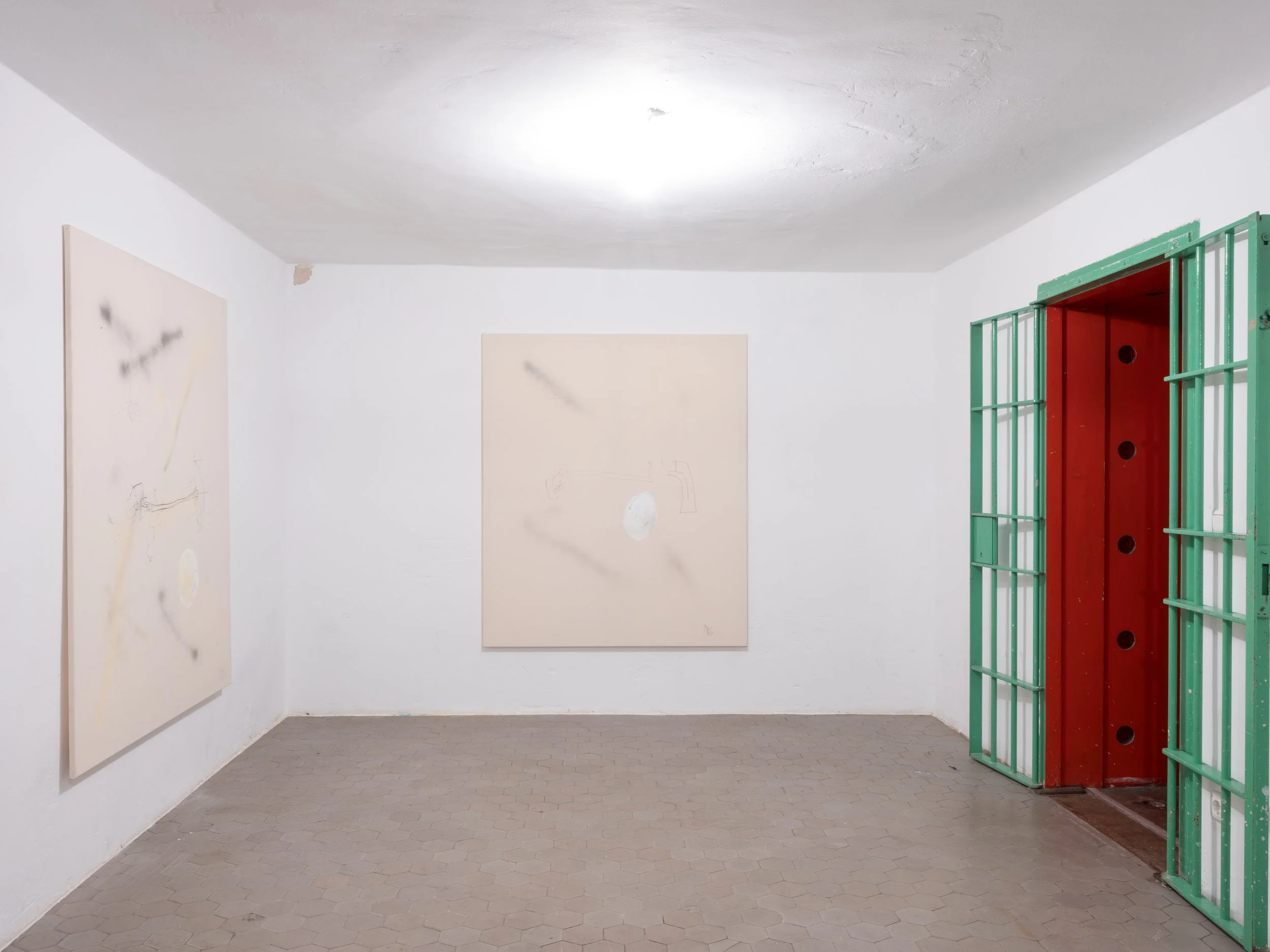
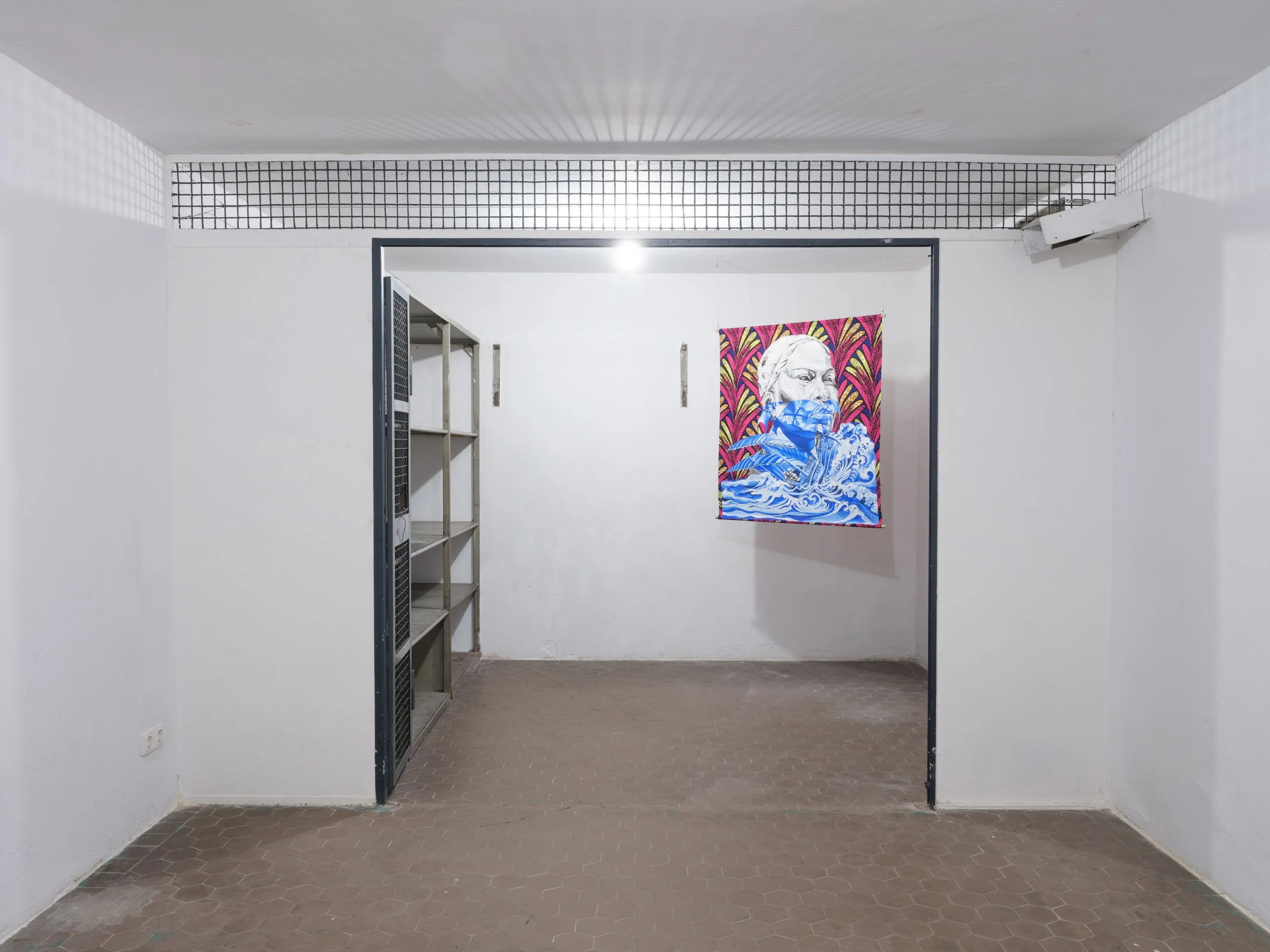
As part of the celebrations marking the 50th anniversary of the independence of the Portuguese-speaking African countries (PALOP), the Portuguese Cultural Institute invited me to curate an exhibition featuring works by Ál Varo Tavares de Guilherme (Luanda, Angola, 1992; lives in Berlin) and Márcio Carvalho (Lagos, Portugal, 1981), whose artistic trajectories intersect with this history.
At first, I thought of these as two somewhat opposing positions. Then I realized that this tension was precisely what I wanted to foreground. Sure, it was clear that this had to be an exhibition about memory. But how do memory and the future intertwine? How can one live anew, beyond the mere feeling of just living again? I began to think about abstraction as a mode of unfolding and flight, fiction as a form of world-making. I thought of remembrance as a kind of abstraction (history itself as abstraction). In this process, I sensed a threshold. Desire—even when it takes the form of remembrance—must ultimately lean toward the future.
multiple biography was accompanied by a screening of Metalheart (2020, 6:59 min.) and Memória / Calling Cabral (2022, 18:16 min.) by Welket Bungué, followed by an open discussion with the filmmaker and artist.